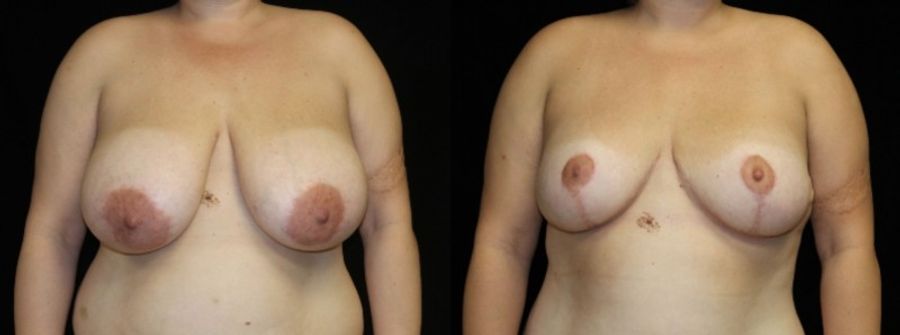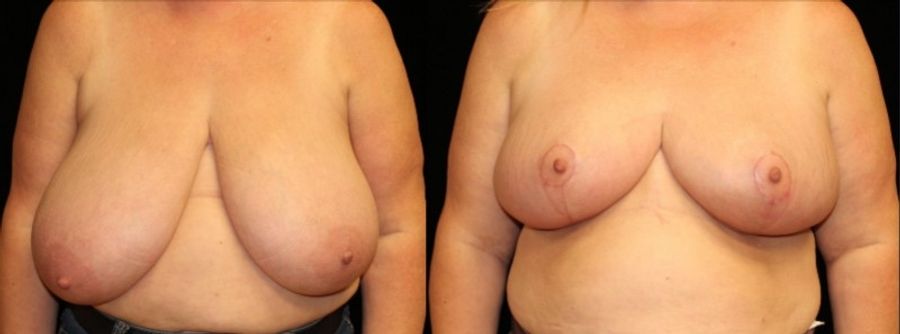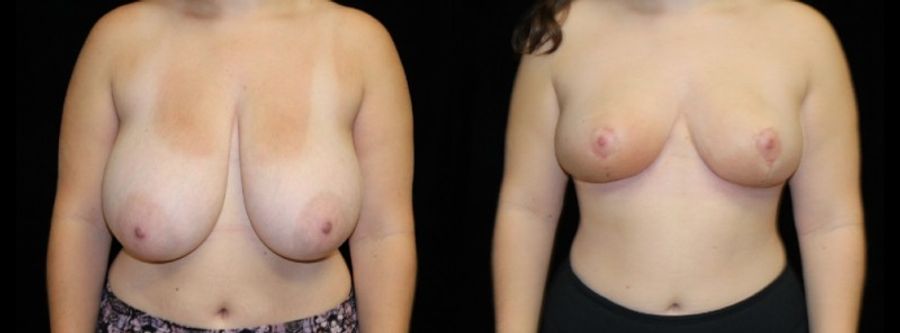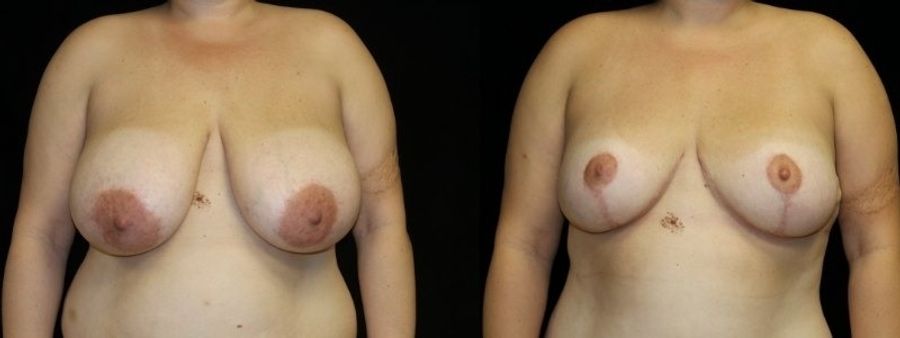
Breast Reduction
Reduce excess breast tissue, improve proportion, and address physical discomfort with breast reduction surgery personalized to your anatomy, lifestyle, and goals.
A More Comfortable, Proportionate Breast Size
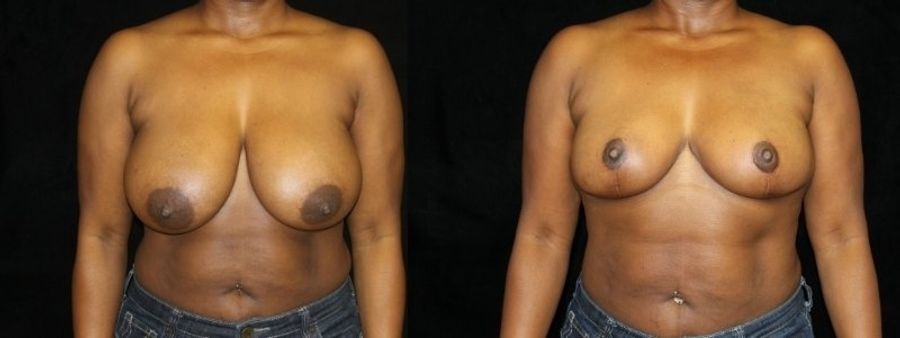
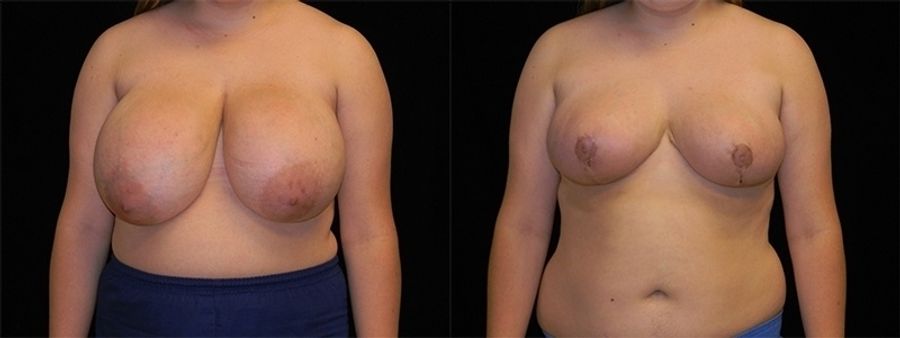
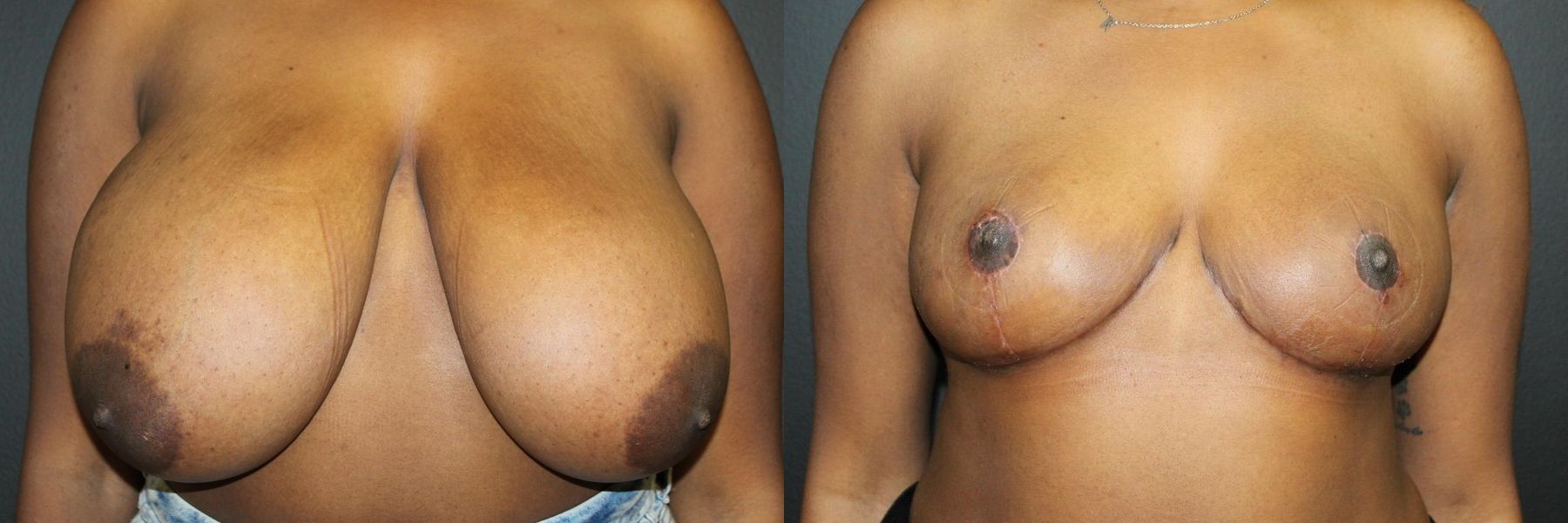
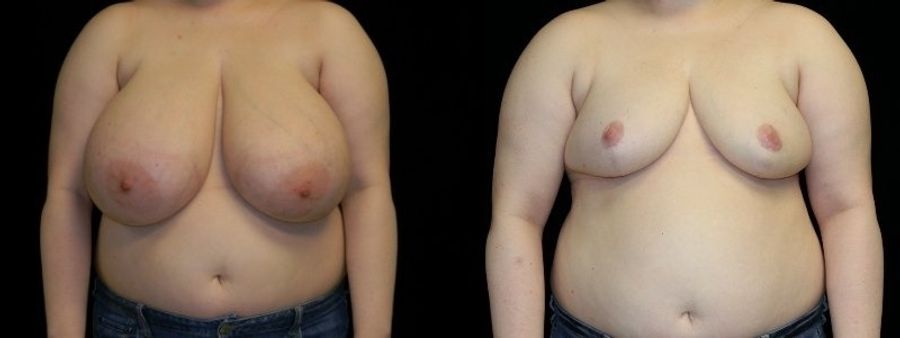
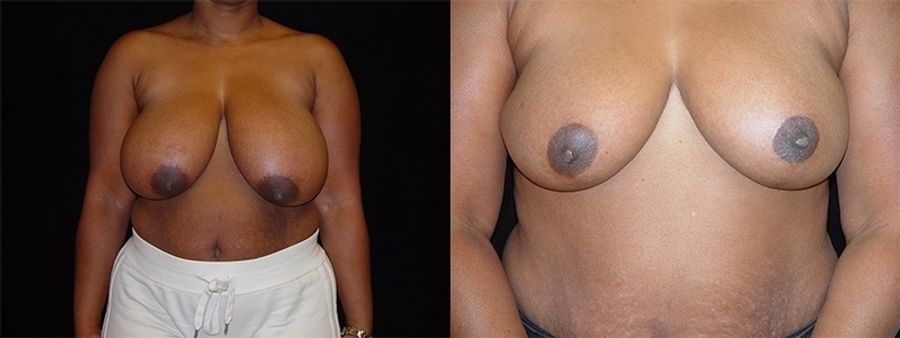
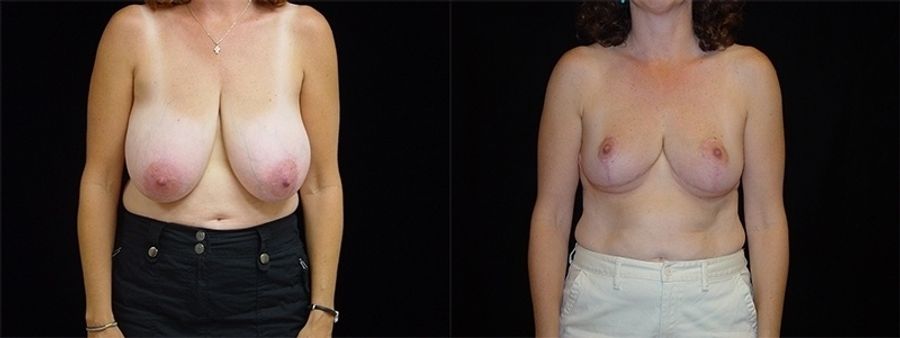
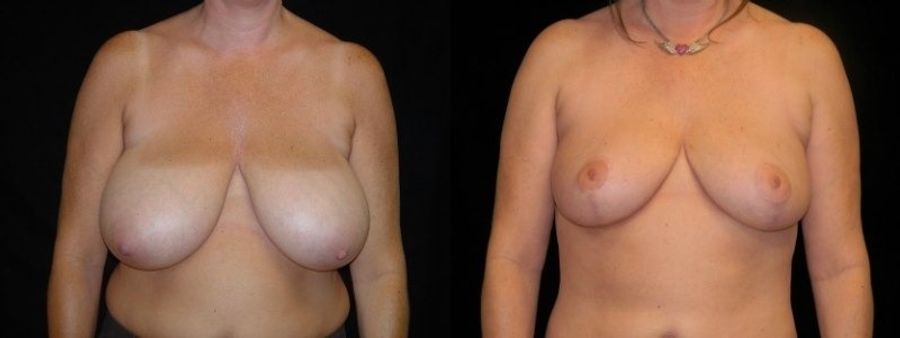
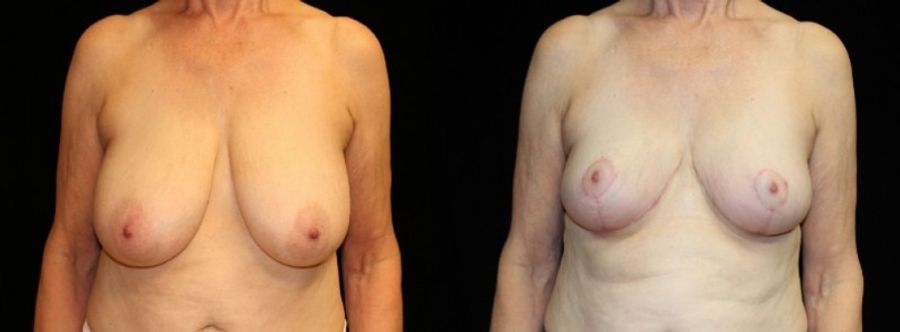
Breast reduction surgery, also known as reduction mammaplasty, refers to a number of surgical techniques used to reduce excess breast fat, glandular tissue, and skin.
Dr. Charles Slack's fellowship training and extensive experience in cosmetic and reconstructive breast surgery provide a strong foundation for treating patients considering breast reduction.
Because every patient is different, the procedure is planned around your breast anatomy, proportions, symptoms, and personal goals.
Could Breast Reduction Help You?
Women consider breast reduction for many different reasons, ranging from physical discomfort and activity limitations to breast proportion, symmetry, and shape.
Large Breast Size
Breasts may feel disproportionately large compared with the rest of the body.
Back, Neck & Shoulder Pain
The weight of large breasts can contribute to chronic physical discomfort.
Activity Limitations
Large or heavy breasts can make exercise and everyday physical activities more difficult.
Breast Asymmetry
Breasts that differ in size, volume, or contour can often be addressed during reduction surgery.
Sagging & Stretching
Pregnancy, breastfeeding, weight loss, and aging can leave breasts stretched and positioned lower on the chest.
Skin & Bra Irritation
Skin irritation beneath the breast crease and deep bra-strap indentations can accompany very large breasts.
What Issues Can Large Breasts Cause?
Overly large breasts can create physical concerns for some women, emotional concerns for others, and a combination of both for many patients.
For that reason, breast reduction is not simply about making the breasts smaller. The procedure may also improve physical comfort, breast proportion, mobility, clothing fit, and how a woman feels about her body.
Dr. Slack considers breast reduction among the most gratifying procedures because of the meaningful changes it can create for appropriate patients.
Candidates for Breast Reduction
A private consultation with Dr. Slack allows you to discuss your goals, concerns, expectations, and whether breast reduction is an appropriate option.
Ideal candidates are generally women who:
Experience one or more concerns related to excessive breast size and are healthy enough to safely undergo surgery.
How Is Breast Reduction Performed?
Breast reduction is performed under general anesthesia. The exact surgical technique and incision pattern depend on the amount of tissue that needs to be removed and the patient's anatomy.
Excess breast tissue and skin are removed, and the remaining breast tissue is lifted and shaped to create a smaller, more proportionate breast contour.
Large areolas are routinely reduced when appropriate as part of the breast reduction procedure.
Excess skin, glandular tissue, and fat are reduced.
The remaining breast tissue is lifted and shaped.
The nipple and areola are repositioned when needed.
Both breasts are carefully evaluated for balance and proportion.
Breast Reduction Incision Options
The specific incision pattern is chosen according to the amount of reduction required and your individual breast anatomy.
Anchor Incision
Inverted-T PatternThe incision runs around the areola, vertically downward to the breast crease, and along the breast fold.
This approach provides substantial access for removing excess tissue and reshaping larger or more pendulous breasts.
Keyhole Incision
Vertical PatternThe incision surrounds the areola and extends vertically downward toward the breast crease.
This technique may be appropriate when less extensive tissue removal and reshaping are required.
What Happens to the Nipple During Breast Reduction?
In most breast reduction procedures, the nipple and areola remain attached to their existing blood supply and nerves while being repositioned higher on the breast.
In patients with very large, pendulous breasts, the nipple and areola may occasionally need to be completely removed and replaced as a skin graft.
Enlarged areolas caused by stretched skin can also be reduced during breast reduction surgery.
Your Procedure Depends on Your Anatomy
The degree of breast enlargement, sagging, skin quality, nipple position, and amount of tissue being removed all influence the surgical technique Dr. Slack recommends.
Is Liposuction Needed?
For some patients, excess fat within the breast or along the lateral chest may also be removed with liposuction.
After excess tissue is removed, the remaining breast tissue is lifted and shaped to create the final breast contour.
- Excess fatty breast tissue
- Fullness along the side of the chest
- The transition between breast and chest
- Overall contour following reduction
Scars Change Over Time
Breast reduction requires surgical incisions, but the appearance of those incisions continues to change as healing progresses.
What Will Scarring Be Like?
Once the breasts have reached their planned size, shape, and position, the incisions are closed using sutures placed deep within the breast tissue for support.
Additional sutures, surgical tape, or adhesive may be used to help close the skin incisions.
Incision lines remain as scars, but typically fade with time and are generally positioned so they can be concealed beneath a bra.
What to Expect During Recovery
Swelling and soreness are expected after breast reduction, but the change in breast size and contour is immediately apparent.
Dr. Slack provides complete postoperative guidelines and prescription pain medication that may be used if needed.
Rest & Recovery
Patients should take it easy while swelling, soreness, and early healing improve.
Careful Monitoring
Dr. Slack monitors healing and physical recovery at scheduled postoperative visits.
Lasting Changes
Breast reduction results are designed to be long-lasting, although aging, pregnancy, significant weight changes, and hormonal factors can alter the breasts over time.
Could Breast Reduction Improve Your Comfort?
If you feel breast reduction may be right for you, schedule a private consultation with Dr. Slack to discuss your concerns, symptoms, goals, and expectations.
He will evaluate your anatomy and explain the potential benefits, risks, surgical approach, and recovery associated with your individualized treatment plan.
Take the Next Step Toward Greater Comfort
Meet personally with Dr. Slack in Allen, Texas to discuss whether breast reduction can help address your breast size, proportions, physical discomfort, and personal goals.
Allen, Texas · Serving Plano, McKinney, Frisco & North Dallas